
Manisha Tripathy, PhD
Order is invisible. Failure is not. I work on the space between.
I study how interfaces, surfaces and microstructures change under extreme mechanical and thermal conditions, with electron microscopy and atom probe tomography. Before this: a PhD on how additively manufactured superalloys wear at temperature, and industry years measuring surfaces for people with real hardware on the line.
From atomic structure to materials behavior
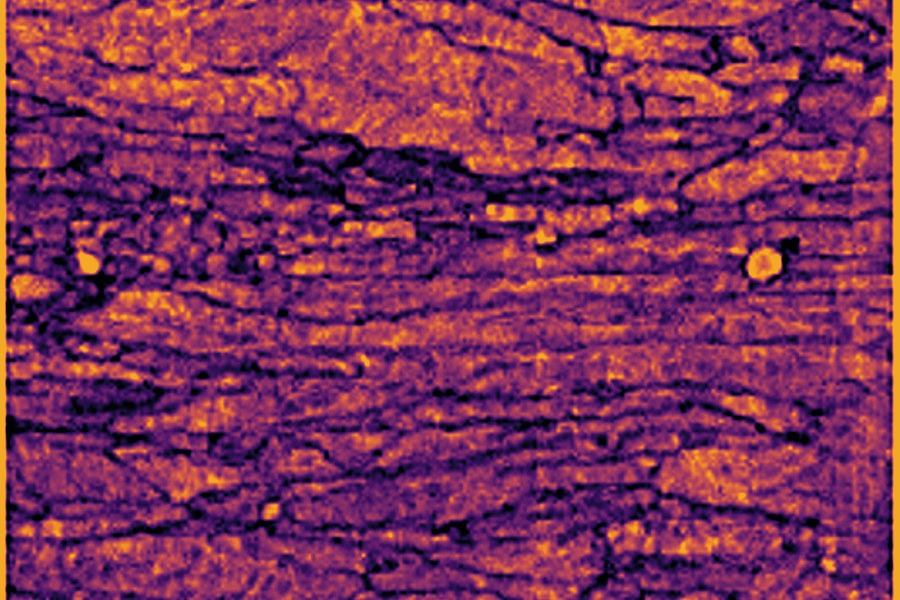
Interfaces & Deformation
Grain boundaries and twin boundaries moving in copper at cryogenic temperature, watched live with in-situ TKD and nanomechanical testing.
Learn more →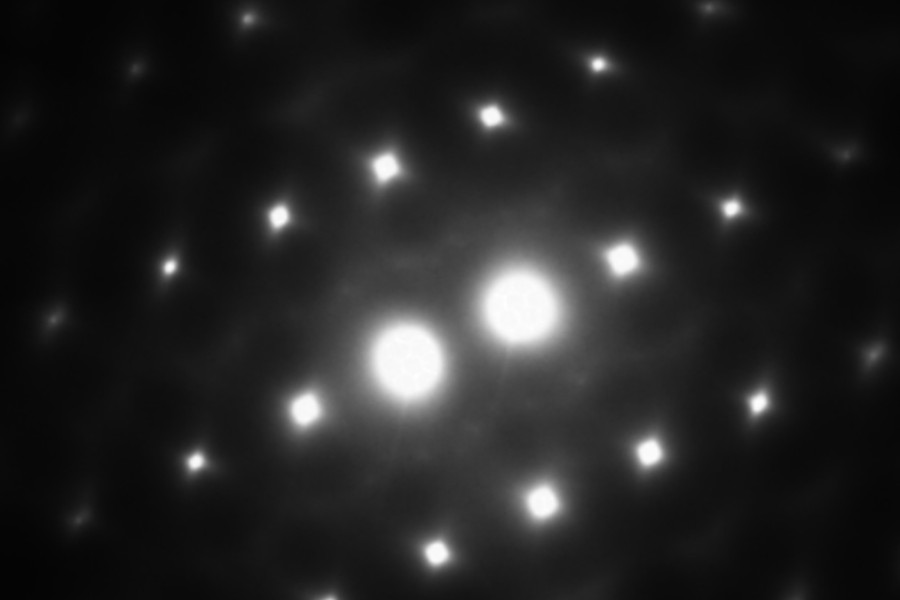
Ordering & Nanoscale Chemistry
Short-range order in brass and CrCoNi alloys: how atoms pick their neighbours, measured with atom probe and 4D-STEM on the same specimen.
Learn more →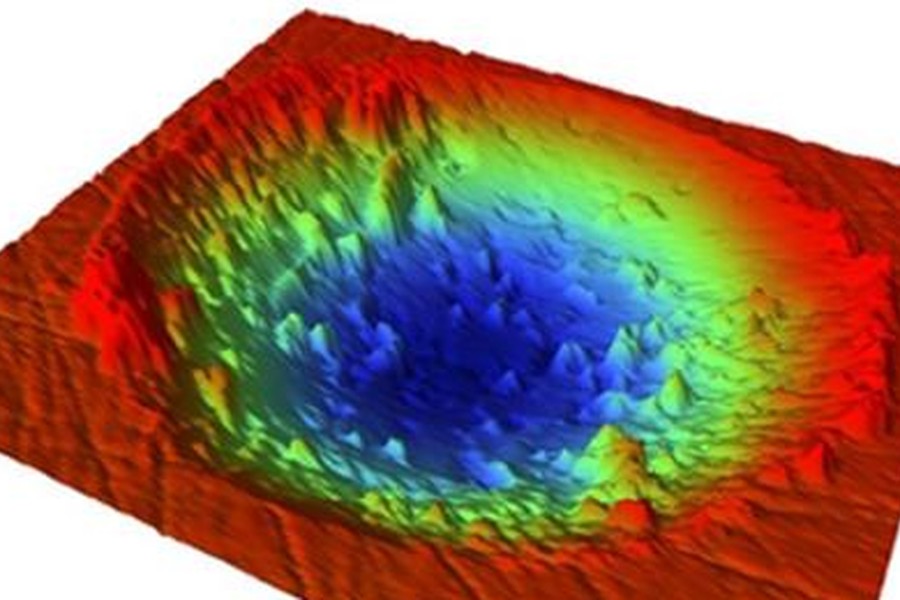
Structure–Property Relationships
Wear and indentation of additively manufactured superalloys at temperature: how the printed microstructure decides how the surface hardens, cracks and wears.
Learn more →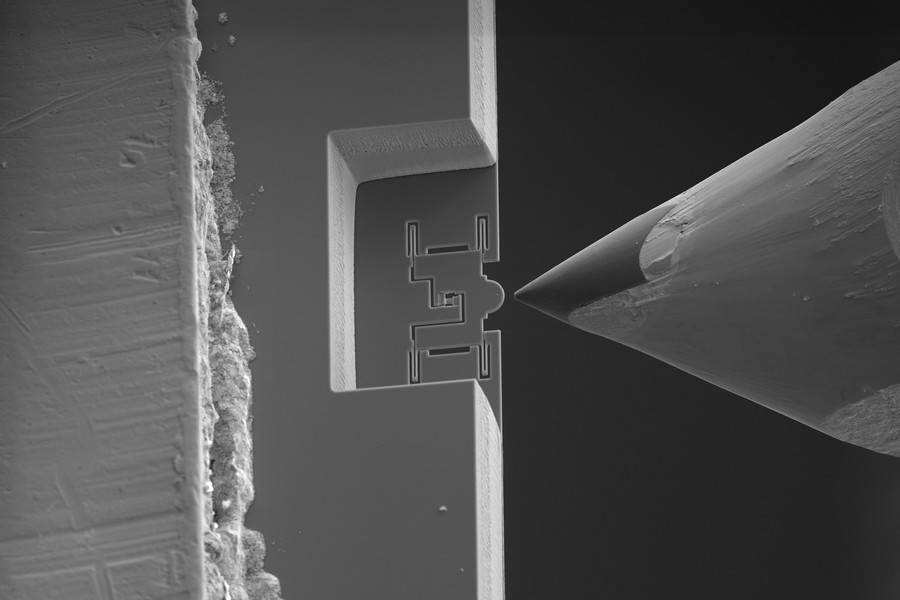
Advanced Characterization
Methods that put atom probe, electron microscopy and in-situ testing on one sample, so each technique checks the others.
Learn more →A multi-technique perspective
No single instrument tells the whole story. I combine techniques that see different things, from single atoms to whole components, and trust the result where they agree.

TEM / STEM
Atomic-scale imaging, diffraction and 4D-STEM
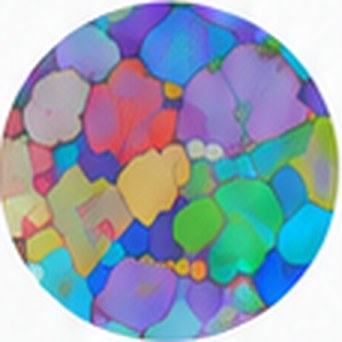
EBSD / TKD
Crystal, phase and orientation mapping
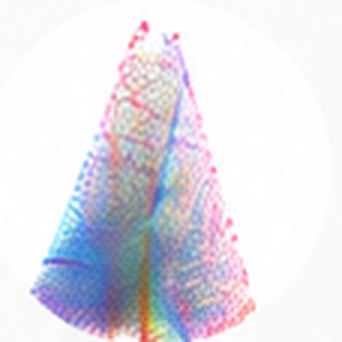
Atom Probe Tomography
3D chemistry, one atom at a time
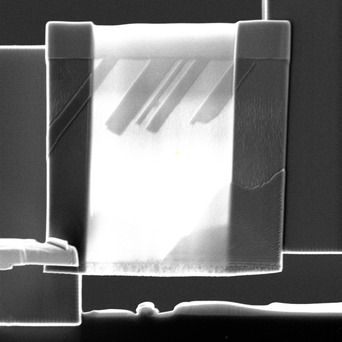
FIB & In-situ
Specimen preparation and live experiments
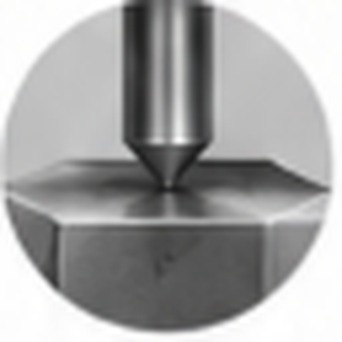
Mechanical Testing
Nanoindentation and scratch testing
Tribology & Wear
Surfaces under contact and sliding
Practical tools for researchers
Guides & Protocols
Step-by-step guides, interactive labs and troubleshooting answers on TEM, EBSD, atom probe, FIB, indentation and tribology, written from real questions at the microscope.
Browse guides →Interactive Tools
Free browser tools for diffraction, crystallography, spectroscopy and wear: your pattern, spectrum or map in, a number with its error bar out.
Explore tools →